

Dealing with thinning hair or a receding hairline is something that many people in Scotland face, yet it remains a topic often discussed in hushed tones. For many, the first time they notice more hair than usual in the shower drain or see a patch of scalp peeking through in a photograph, it triggers a sense of urgency. You might start by searching for various shampoos or supplements, but eventually, the realisation sets in that professional help is the most logical next step. This is where finding a reputable hair loss clinic Glasgow becomes a priority for those looking to regain both their hair and their confidence.
The search for a clinic isn’t just about finding a place that performs procedures; it is about finding a medical environment where you feel heard. Hair loss is deeply personal, and the reasons behind it vary significantly from person to person. Whether it is down to genetics, stress, or underlying health conditions, the approach should never be one-size-fits-all. Glasgow has become a hub for medical excellence in this field, offering residents and those travelling from further afield access to some of the most advanced hair restoration techniques available today.
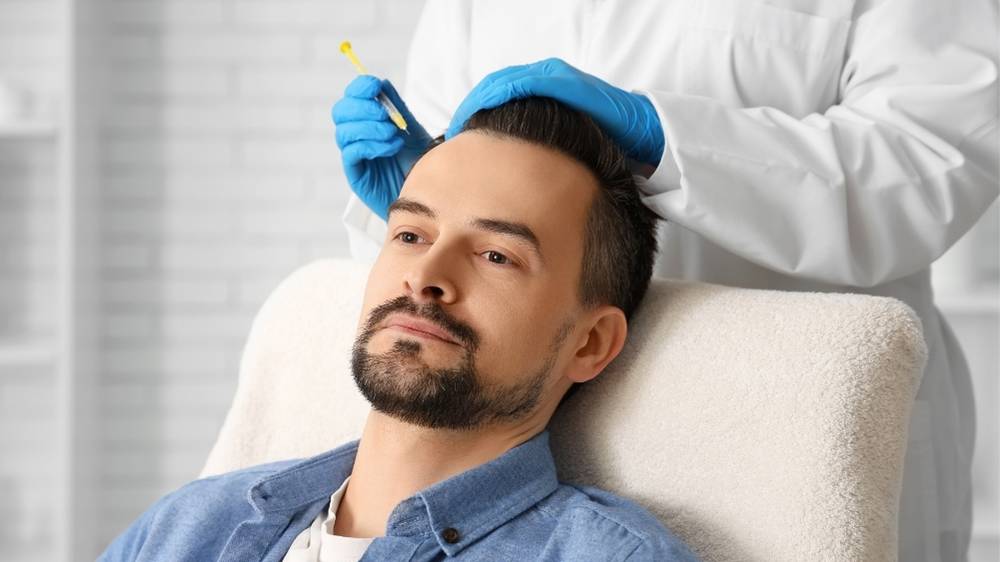
What to look for in a Glasgow hair restoration centre
When you begin your research, the sheer number of options can feel overwhelming. It is important to look beyond the flashy advertisements and focus on the clinical standards of the facility. A high-quality clinic should be led by medical professionals who specialise specifically in hair restoration. You want to ensure that the person advising you is not just a salesperson, but a clinician who understands the anatomy of the scalp and the biology of hair growth.
There are several key factors to consider when evaluating your options:
- The expertise of the lead clinician: Are they registered with the General Medical Council (GMC) and do they have specific training in hair transplant surgery or trichology?
- Patient testimonials and case studies: Looking at real-life results from previous patients can give you a clear idea of the standard of work you can expect.
- The range of treatments offered: A good clinic should offer both surgical and non-surgical options, as surgery is not always the right first step.
- The quality of the initial consultation: This should be a thorough assessment where your medical history is discussed and your scalp is examined in detail.
The importance of a tailored treatment plan
One of the most common mistakes people make is assuming they know exactly which treatment they need before they have even stepped foot in a clinic. You might have heard great things about FUE (Follicular Unit Extraction), but for your specific type of thinning, a different approach might be more effective. When you visit a hair loss clinic glasgow, the first goal should be an accurate diagnosis. Without knowing why the hair is falling out, any treatment applied is simply guesswork.
For men, the most common cause is androgenetic alopecia, often referred to as male pattern baldness. However, for women, the causes can be far more complex, involving hormonal shifts, nutritional deficiencies, or autoimmune responses. A specialised clinic will use diagnostic tools like trichoscopy—a non-invasive way of looking at the hair and scalp at high magnification—to determine the health of the follicles and the density of the hair.
Surgical vs. Non-Surgical options
Modern hair restoration has come a long way from the ‘pluggy’ looks of decades past. Today, the results can be so natural that even your barber or hairdresser might not realise you have had work done. For those who are suitable candidates, surgical options provide a permanent solution. FUE is particularly popular in Glasgow clinics because it involves extracting individual follicles and transplanting them to thinning areas, leaving minimal scarring and allowing for a quicker recovery time.
However, surgery isn’t the only path. Many people find success with non-surgical interventions that aim to strengthen existing hair and stimulate dormant follicles. These might include:
- Low-Level Laser Therapy (LLLT): Using specific wavelengths of light to improve cellular activity in the scalp.
- Platelet-Rich Plasma (PRP) Therapy: Utilising the healing properties of your own blood to encourage hair growth.
- Prescription Medications: Clinically proven treatments that can help slow down the rate of loss and, in some cases, regrow hair.
- Nutritional Support: Addressing deficiencies that might be exacerbating the thinning process.
What happens during a typical consultation?
If you are feeling nervous about your first visit, it helps to know what to expect. A professional consultation is a two-way conversation. While the clinician will be assessing your scalp, you should also be assessing the clinic. They should take the time to explain the science behind your hair loss and provide a realistic expectation of what can be achieved. Beware of any clinic that promises 100% restoration or uses high-pressure sales tactics.
During the assessment, the specialist will likely look at your donor area—the hair at the back and sides of your head—to see if it is healthy enough to support a transplant if that is the route you are considering. They will also discuss your lifestyle, as factors like smoking, stress, and diet can all play a role in the success of any treatment plan. By the end of the session, you should have a clear, written plan detailing the recommended steps, the costs involved, and the expected timeline for results.
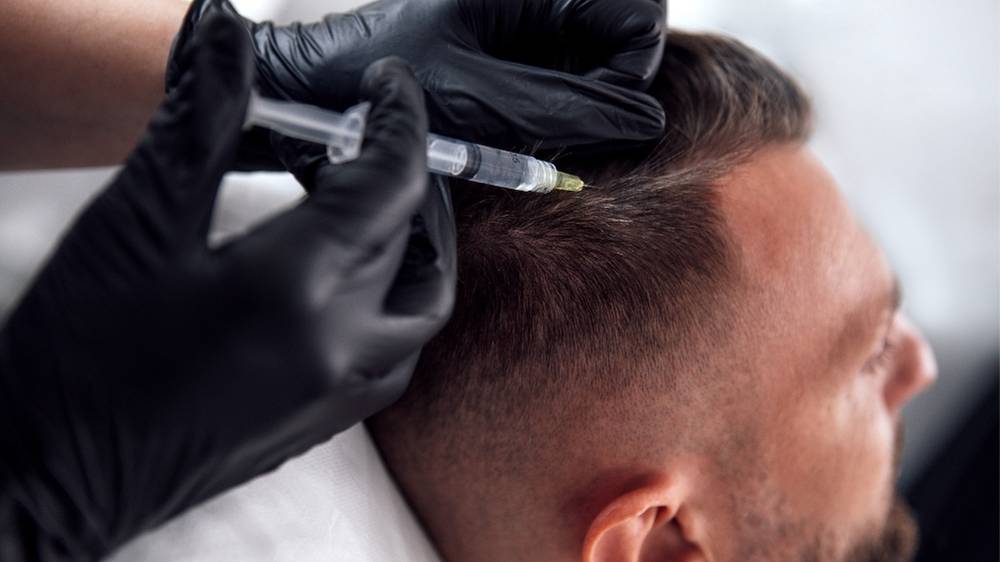
The role of aftercare in long-term success
The work doesn’t stop once you leave the clinic after a procedure or a treatment session. In fact, aftercare is arguably the most critical phase of the journey. A reputable Glasgow-based clinic will provide a comprehensive aftercare programme to ensure that the transplanted follicles take hold and that the scalp heals correctly. This often includes specific washing instructions, medications to prevent infection or swelling, and follow-up appointments to monitor progress.
It is also important to manage expectations regarding the timeline. Hair grows slowly, and after a transplant, it is normal for the transplanted hair to shed before new, permanent growth begins. This can be a testing time for patients, which is why having a supportive clinic team to turn to for advice and reassurance makes a world of difference. Consistency is key, whether you are recovering from surgery or following a non-surgical regime. Seeing the full results can take anywhere from six to eighteen months, but for most people, the wait is well worth the renewed sense of self-esteem that comes with a fuller head of hair.
Choosing to address hair loss is a significant decision that impacts your daily life. By taking the time to find a clinic that prioritises medical integrity and patient care, you are setting yourself up for the best possible outcome. Glasgow offers a wealth of expertise, making it an excellent location to begin this transformative process. Whether you are in the early stages of thinning or have been considering a transplant for years, the right professional guidance can help you navigate the options and find a solution that works for your unique situation.

Emma Hartley focuses on inclusive employment practices, workplace accessibility, and career progression strategies. She explores how businesses can create opportunities for diverse talent and support career growth.